Understanding the Licensing Requirements for Skid Fabricators
Overview of Skid Fabrication in the Industry
Importance of Skid Fabrication in Modular Process Systems
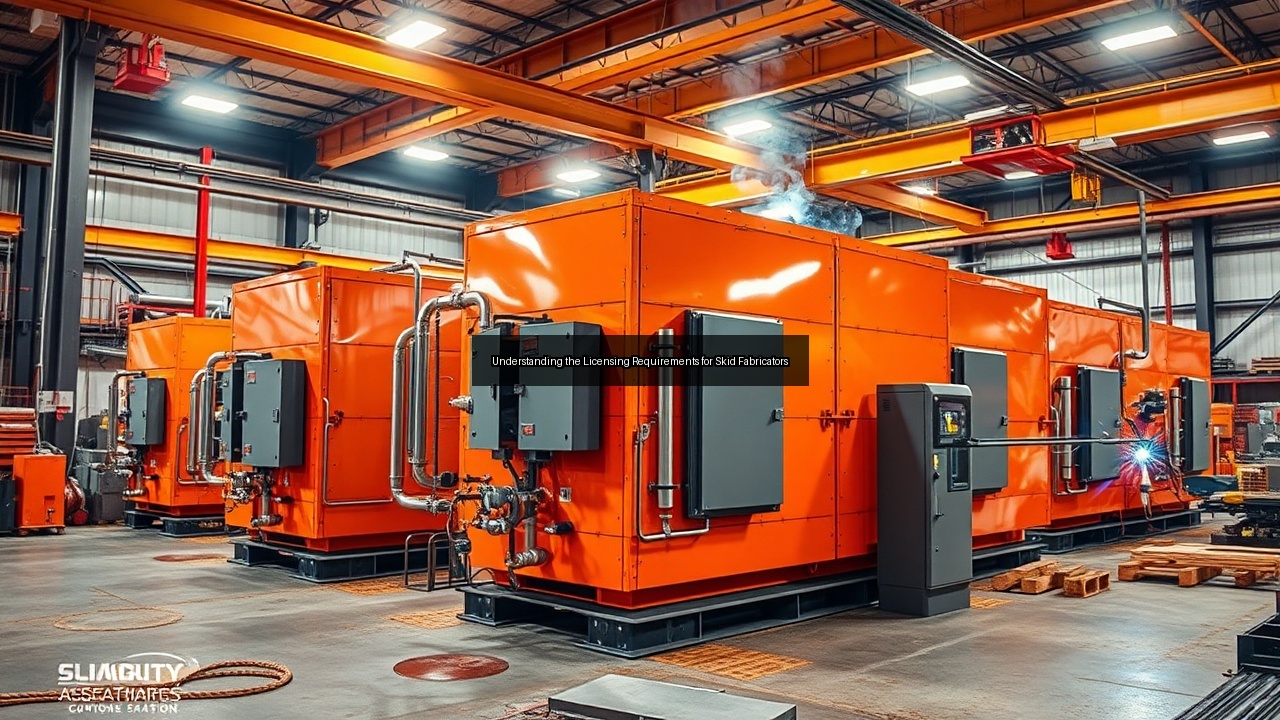
Skid fabrication delivers complete modular process skid units that integrate pumps, valves, and controls into compact frames for quick site installation. Manufacturers rely on this approach to cut project timelines and reduce field labor. Fabricators handle design, welding, and assembly under one roof to ensure every modular process skid meets exact specifications. Companies gain flexibility to scale operations without building permanent structures. This method supports industries that demand reliable fluid handling and process control in tight footprints. Proper licensing ensures fabricators follow standards that protect system integrity from the start.
Applications in the Oil and Gas Industry
The oil and gas industry depends on skid fabrication for metering stations, chemical injection packages, and separation units. These modular skids arrive pretested and ready for connection, which speeds up field deployment in remote locations. Fabricators use alloy materials to withstand corrosive environments common in upstream and midstream operations. https://agifabricators.com/process-skids/ Welding crews apply certified procedures that maintain pressure integrity across every joint. American manufacturers often lead in delivering these units because they combine advanced technologies with strict quality management. Licensing verifies that each skid fabrication company follows safety protocols required for hazardous service.
Different Types of Modular Skids and Their Uses
Modular process skids range from simple pump packages to complex multi-stage treatment systems. Compressor skids, filtration units, and heat exchanger modules each serve distinct roles in process trains. Custom skid fabrication allows clients to specify layout, instrumentation, and material grades for unique site conditions. Skid fabrication shops produce these units on parallel schedules, which compresses overall project delivery. Quality control checkpoints during machining and assembly catch deviations before shipment. Licensed fabricators document every step to satisfy regulatory audits and client requirements for traceability.
Licensing Requirements for Skid Fabricators
Understanding Local and National Regulations
Skid fabricators must navigate federal codes alongside state and municipal rules that govern pressure vessels, structural frames, and electrical integration. National regulations often reference ASME and API standards that dictate material selection and weld procedures. Local jurisdictions may add requirements for fire safety, environmental containment, and electrical classifications. Companies that ignore these layers face project delays and rework. Licensed fabricators maintain current certifications that demonstrate compliance across jurisdictions. Regular audits confirm that the fabrication process aligns with both national and regional expectations for safety and performance.
Types of Licenses Required for Skid Fabrication
Fabrication shops pursue ASME stamps for pressure piping and vessels, plus structural welding certifications under AWS. Electrical contractors on site need licenses that cover control panels and instrumentation wiring. Some states require specific contractor licenses for modular skid assembly when the work occurs inside their borders. Environmental permits cover painting, solvent use, and waste handling during construction. A skid fabrication company keeps these credentials active to bid on work in multiple markets. Licensing documentation becomes part of the quality management system that clients review during vendor qualification.
Impact of Licensing on Quality Management and Safety Standards
Licensed fabricators embed quality management into every phase, from material receipt through final testing. Welders qualified under licensed programs produce consistent, inspectable joints that reduce leak risks. Safety standards enforced through licensing require documented hazard assessments and lockout procedures during machining and assembly. These controls lower incident rates and protect both workers and end users. Clients gain confidence that a licensed skid fabricator will deliver units that pass third-party inspections without surprises. The result is fewer change orders and smoother commissioning at the jobsite.
The Fabrication Process and Technologies
Key Steps in the Skid Fabrication Process
The skid fabrication process begins with detailed engineering drawings that define frame dimensions, equipment placement, and piping routes. Material procurement follows, with traceability records for every alloy plate and pipe spool. Fit-up crews align components before welding crews complete structural and process connections. After welding, technicians install instrumentation, perform pressure tests, and apply coatings. Final quality control includes dimensional checks and functional verification of valves and pumps. Licensed shops maintain records that prove each step met code requirements before the unit leaves the facility.
Welding Techniques and Their Importance
Skid fabrication welding relies on GTAW, SMAW, and orbital methods to join carbon steel, stainless, and exotic alloys. Proper technique prevents defects that could compromise pressure boundaries or create corrosion paths. Qualified welders follow WPS documents that specify preheat, filler metal, and post-weld heat treatment. Inspection methods such as radiography and ultrasonic testing verify weld integrity before the next assembly stage. Licensed fabricators track welder performance and maintain procedure qualifications. This discipline directly supports the safety and reliability expected in modular process systems.
Machining and Quality Control in Skid Fabrication
Machining operations produce precise mounting surfaces and nozzle connections that ensure equipment alignment. CNC mills and lathes handle tight tolerances required for rotating machinery skids. Quality control teams use coordinate measuring machines and laser trackers to verify dimensions against drawings. Nonconformances trigger documented corrective actions before parts move forward. Licensed shops integrate these checks into a formal quality management program that satisfies client audits. The combination of skilled machining and rigorous inspection produces skids that install and operate without fit-up issues in the field.
Choosing a Skid Fabrication Company
Factors to Consider When Selecting a Skid Fabricator
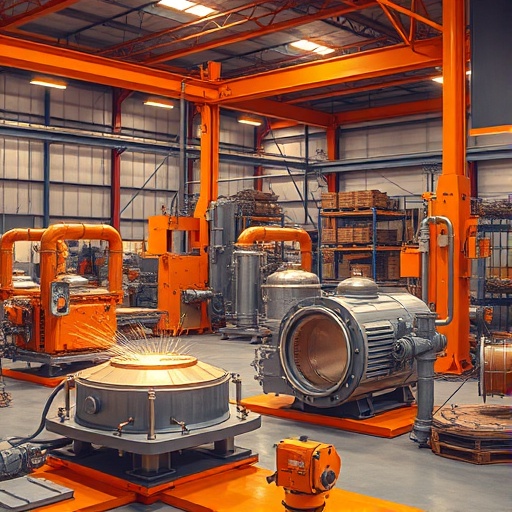
Experience with similar modular skids, available shop capacity, and proven licensing status rank high on evaluation checklists. Clients review past projects in the oil and gas industry to confirm the fabricator understands hazardous area requirements. Location affects freight costs and site access for inspections. A skid fabrication shop with in-house engineering reduces coordination delays. References from previous clients reveal how well the company manages schedule and change orders. Licensing records provide objective proof that the fabricator meets regulatory demands for the intended service.
Evaluating Quality Assurance Practices
Quality assurance programs include material certification review, welder qualification tracking, and calibrated inspection equipment. Clients request weld maps, NDE reports, and pressure test records for every custom skid fabrication project. Third-party audits of the fabrication process confirm that procedures match written quality management documents. Shops that maintain ISO or API certifications demonstrate commitment to continuous improvement. Transparent documentation during fabrication builds trust that the finished modular process skid will perform as specified once installed.
Cost Considerations in Custom Skid Fabrication
Cost drivers include material grade, welding complexity, and testing scope. Alloy selection for corrosive service raises both material and fabrication expenses. Early involvement of the skid fabricator during design helps optimize layouts that reduce welding and machining hours. Fixed-price contracts with clear scope definitions protect against scope creep. Licensed companies often deliver better long-term value because their quality controls minimize field repairs and downtime. Total cost of ownership matters more than initial bid price when evaluating skid fabrication services.
Risk Management in Skid Fabrication
Identifying Potential Risks in the Fabrication Process
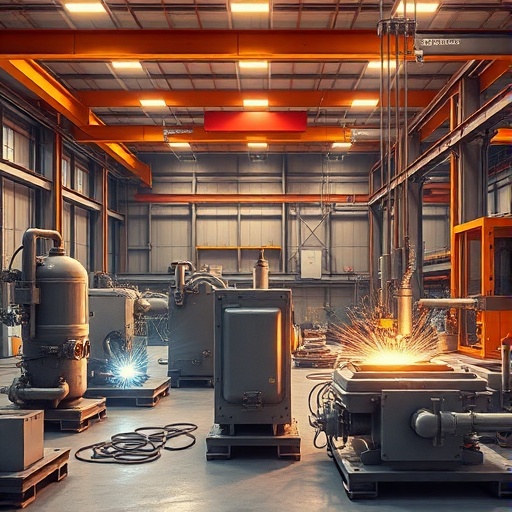
Common risks include weld defects, material substitutions, and dimensional errors that surface during installation. Schedule compression can lead to skipped inspection steps if controls are weak. Supply chain delays for specialty alloys affect modular skid delivery dates. Licensed fabricators conduct formal risk assessments at project kickoff and update them as work progresses. Early identification allows mitigation plans that protect both cost and timeline. Clients benefit when the skid fabrication company shares risk registers and mitigation status throughout the project.
Safety Measures and Best Practices
Safety programs require daily toolbox talks, proper lifting procedures for heavy frames, and confined space permits for vessel entry. Personal protective equipment standards exceed minimums in shops that handle stainless and alloy materials. Fire watch protocols during welding prevent ignition of nearby combustibles. Licensed facilities maintain emergency response plans and conduct regular drills. These measures reduce lost-time incidents and protect the workforce. Clients expect skid fabricators to demonstrate the same safety culture they require on their own sites.
The Role of Expert Consultation in Mitigating Risks
Expert consultation during design and fabrication catches issues before they become costly problems. Process engineers review P&IDs for operability, while welding specialists confirm procedure suitability for the alloys selected. Third-party inspectors provide independent verification of quality control records. Licensed fabricators maintain relationships with these experts to supplement internal capabilities. The collaborative approach reduces surprises during final testing and commissioning. Clients gain assurance that the completed modular process skid meets all performance and regulatory expectations.
See Also
- Innovative Welding Methods Transforming Modular Process Skid Design
- Customizing Modular Process Systems for Enhanced Performance
- The Role of Quality Assurance in Skid Manufacturing Success
- Safety Standards in Skid Fabrication Processes You Should Know
- Mastering Skid Fabrication Techniques for the Oil and Gas Industry