Carbon Steel vs Stainless Steel Which is Best for Your Project
Understanding Steel Types
What is Carbon Steel?
Carbon steel forms from iron combined with carbon in varying percentages, delivering high tensile strength and toughness that fabricators rely on for demanding tasks. This metal responds well to heat treatment, allowing adjustments in hardness without sacrificing core performance. Many projects in construction and oil and gas turn to carbon steel because it machines cleanly and welds reliably when carbon levels stay moderate. Suppliers in steel distribution keep multiple grades on hand, including bar stock options that suit custom machining. Experts highlight its lower cost compared to alternatives while noting that exposure to moisture requires protective coatings to prevent rust. Gauge thickness plays a direct role in structural integrity, with thicker sheets supporting heavier loads in fabrication shops.
What is Stainless Steel?
Stainless steel incorporates chromium at a minimum of 10.5 percent, creating a passive oxide layer that resists corrosion in harsh environments. This property makes it the go-to choice for aerospace components and automotive exhaust systems where longevity matters. Fabricators appreciate how stainless maintains its finish without extra plating, reducing long-term maintenance. In steel distribution, companies stock various series such as 304 and 316 to match specific chemical resistance needs. Alloy additions like nickel further enhance performance under extreme temperatures. Sheet and coil forms allow precise forming for panels and enclosures. Experts recommend stainless when projects face constant moisture or salt exposure, ensuring durability without frequent replacements.
Key Differences Between Carbon and Stainless Steel
Carbon steel offers superior hardness and lower price points, yet it demands coatings or paint to fight oxidation. Stainless steel trades some strength for built-in corrosion resistance, suiting applications where appearance and hygiene count. Fabricators weigh these trade-offs during material selection, often consulting steel distributor inventories for availability. Carbon variants excel in high-wear parts like gears, while stainless dominates in food processing or marine settings. Gauge consistency affects both types equally during forming operations. Alloy steel sometimes bridges the gap when neither pure option fits, blending elements for balanced properties. Steel supplies from reliable sources ensure consistent chemistry across batches.
Applications in Various Industries
Carbon Steel in Oil and Gas
Oil and gas operations depend on carbon steel for pipelines, pressure vessels, and drilling equipment because its strength handles high pressures without deformation. Fabricators weld sections on-site with standard techniques, keeping projects moving efficiently. Steel distribution companies deliver large quantities of pipe and plate to remote sites, often in specific gauges that meet API standards. Bar stock serves as raw material for valve components and fittings. Experts in the field note that proper surface treatments extend service life amid corrosive fluids. Construction of refineries frequently incorporates carbon steel beams for structural support, balancing cost with performance under load.
Stainless Steel in Aerospace and Automotive
Aerospace manufacturers select stainless steel for turbine blades and airframe sections due to its heat tolerance and fatigue resistance. Automotive engineers use it in chassis parts and fuel lines where vibration and road salts accelerate wear. Steel distribution networks supply certified sheets and coils that meet stringent aerospace specs. Fabricators employ waterjet cutting to shape complex contours without heat distortion. Alloy steel variants appear in high-stress engine mounts when extra strength is required. Experts verify material traceability from supplier to final assembly, ensuring safety margins in flight-critical components.
The Role of Steel in Construction and Fabrication
Construction projects consume vast amounts of both carbon steel and stainless steel for frames, reinforcements, and architectural details. Fabricators cut and weld these metals into trusses, railings, and support columns that meet building codes. Steel distribution supports timely delivery of steel coil and sheet products sized for rapid installation. Gauge selection influences load-bearing capacity, with thicker plates used in bridges and thinner sheets in interior cladding. Experts advise matching material type to environmental exposure, favoring stainless near coastal zones. Bar stock finds use in custom brackets and anchors fabricated on demand.
Choosing the Right Steel for Your Project
Factors to Consider: Strength, Corrosion Resistance, and Cost
Project planners evaluate strength needs first, then factor corrosion resistance and budget constraints. Carbon steel provides high yield strength at lower cost, ideal for indoor structural work. Stainless steel commands higher upfront prices but reduces replacement cycles in aggressive environments. Steel distribution companies offer guidance through their expert teams, matching grades to service conditions. Alloy steel enters consideration for specialized strength-to-weight ratios. Fabricators test samples for weldability and machinability before committing to bulk orders. Proper material choice prevents failures and controls overall project expenses.
Gauge and Thickness: How They Impact Performance
Gauge directly determines bending resistance and weight in finished parts. Thinner gauges suit decorative panels and enclosures, while heavier thicknesses support load-bearing frames. Fabricators consult steel distributor catalogs to select exact specifications that align with design loads. Carbon steel in heavier gauges machines efficiently for industrial tooling. Stainless steel sheets maintain flatness better during forming when gauge stays consistent. Experts calculate deflection limits early, avoiding costly redesigns later. Steel supplies in standard gauges speed procurement and reduce waste.
When to Use Alloy Steel vs. Carbon Steel
Alloy steel becomes preferable when carbon steel alone lacks required toughness or heat resistance. Additions of chromium or molybdenum boost performance in high-temperature oil and gas service. Fabricators switch to alloy steel for gears and shafts that endure cyclic stress. Steel distribution companies maintain inventories of both to accommodate quick changes. Cost analysis often favors carbon steel for general construction unless corrosion or strength demands dictate otherwise. Experts review application data to recommend the most economical option without compromising safety.
Steel Distribution and Supply Chain
Overview of Steel Distribution Companies
Steel distribution companies act as vital links between mills and end users, stocking diverse products including sheet, coil, and bar stock. They process orders for fabricators needing immediate access to carbon steel or stainless steel. Reliable distributors maintain quality certifications and offer value-added services like cutting and delivery. Experts within these firms help customers navigate grade selections for specific industries. Steel supplies flow efficiently through established networks, minimizing downtime on construction sites and manufacturing floors.
Key Players in California's Steel Supply Market
California hosts several prominent steel distribution companies that serve aerospace, automotive, and construction sectors across the state. These suppliers maintain large inventories of galvanized steel, cold rolled steel, and alloy steel to meet regional demands. Local fabricators rely on quick turnaround from nearby warehouses stocked with various gauges. Experts at these companies understand seismic requirements unique to the area and advise on appropriate materials. Steel distributor networks in California emphasize compliance with environmental regulations during handling and transport.
The Importance of Quality Steel Suppliers
Quality steel suppliers ensure consistent chemistry and mechanical properties through rigorous testing and traceability programs. Fabricators avoid defects by sourcing from established steel distribution partners rather than unverified sources. Experts review mill certifications before approving shipments for critical applications in oil and gas or aerospace. Reliable companies also provide technical support on processing options like waterjet cutting. Strong supplier relationships reduce lead times and support just-in-time fabrication schedules.
Processing Techniques and Their Impact
Waterjet Cutting: Precision for Stainless and Carbon Steel
Waterjet cutting delivers clean edges on both stainless steel and carbon steel without introducing heat-affected zones. Fabricators achieve tight tolerances on intricate shapes for automotive brackets and aerospace fittings. Steel distribution firms often partner with cutting specialists to offer finished parts ready for assembly. Experts calibrate pressure and abrasive flow based on material thickness and gauge. This method preserves corrosion resistance in stainless while maintaining strength in carbon grades. Projects benefit from reduced secondary machining and material waste.
Cold Rolled Steel vs. Galvanized Steel: What to Choose?
Cold rolled steel provides smooth surfaces and tight dimensional tolerances suited for visible components in construction. Galvanized steel adds zinc coating for outdoor durability against rust. Fabricators select based on exposure: cold rolled for interior fixtures, galvanized for structural elements in harsh weather. Steel distribution companies stock both in coil and sheet form for immediate needs. Experts compare coating thickness and base metal properties to match service conditions. Proper choice extends part life and lowers maintenance costs.
Understanding Steel Coil and Sheet Options
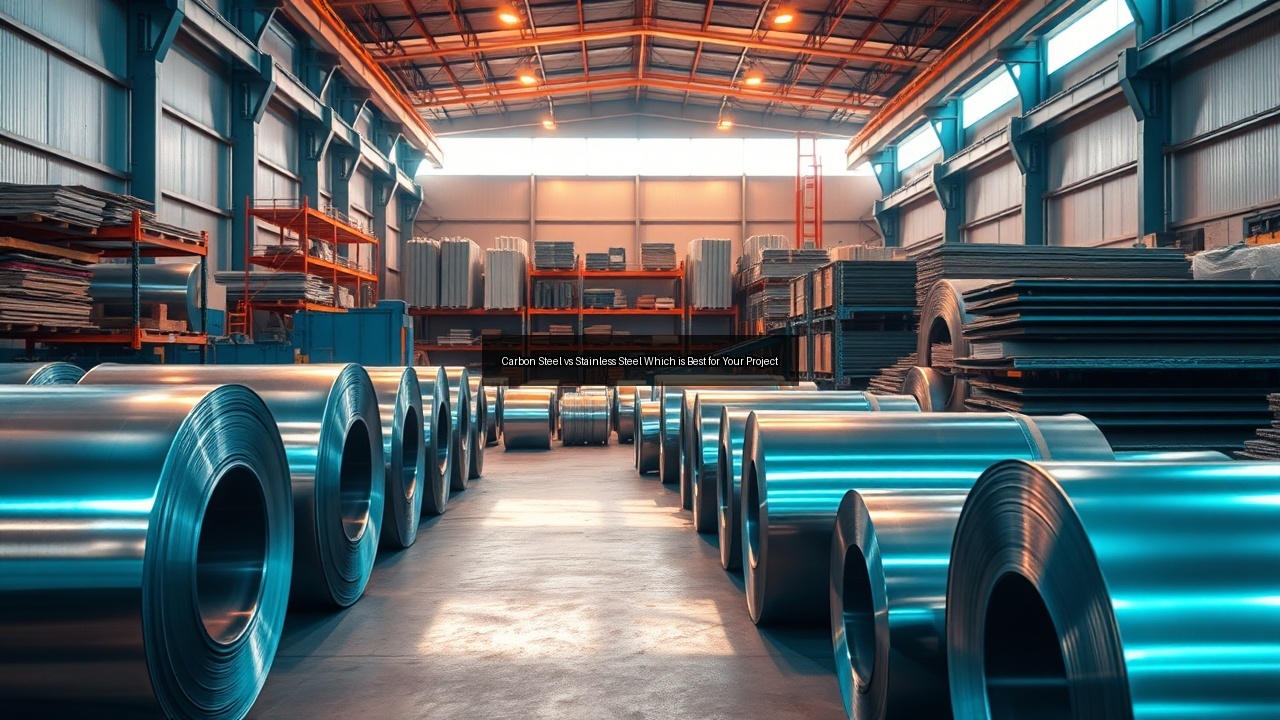
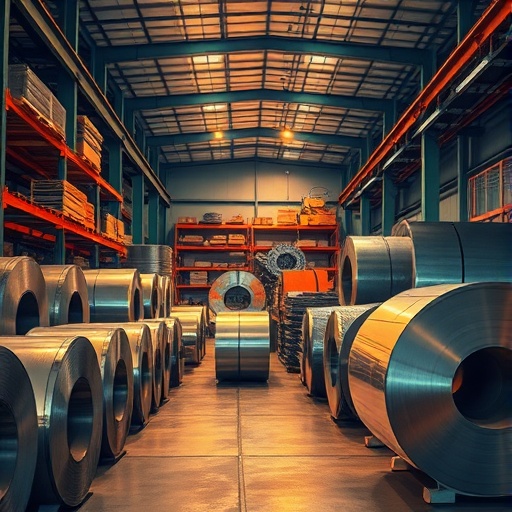
Steel coil enables high-volume stamping and roll forming operations in automotive and appliance manufacturing. Sheet products support smaller runs and custom fabrication where flat blanks are required. Distributors in steel distribution offer slitting and leveling services to convert coils into usable widths. Fabricators examine surface finish and gauge uniformity before processing. Experts recommend coil for continuous production lines and sheets for job-shop flexibility. Consistent supply from quality sources ensures uninterrupted workflow across industries.
See Also
- How Alloy Steel Distributors Are Shaping the Future of Manufacturing
- Understanding Gauge Measurement in Steel Distribution for Fabricators
- The Role of Stainless Steel in Modern Construction and Its Distribution Challenges
- Navigating the Complex World of Steel Distribution for Oil and Gas Industries
- Innovations in Steel Coil Supply Chains for Enhanced Distribution