Exploring the Advantages of Pneumatic Oil Dispensing
Understanding Pneumatic Oil Dispensing Systems
What is Pneumatic Oil Dispensing?
Pneumatic oil dispensing systems utilize compressed air to facilitate the transfer of lubricants from storage tanks to various machinery and equipment. These systems offer a significant advantage over traditional manual dispensing methods, providing efficiency and precision in oil distribution. Pneumatic systems can handle a variety of oils, including lubrication oil, making them ideal for industries that require regular maintenance of machinery. By employing a pneumatic mechanism, users can achieve faster dispensing rates, reducing downtime and enhancing productivity in operations that rely on bulk oil storage and dispensing systems.
Key Components of Pneumatic Systems
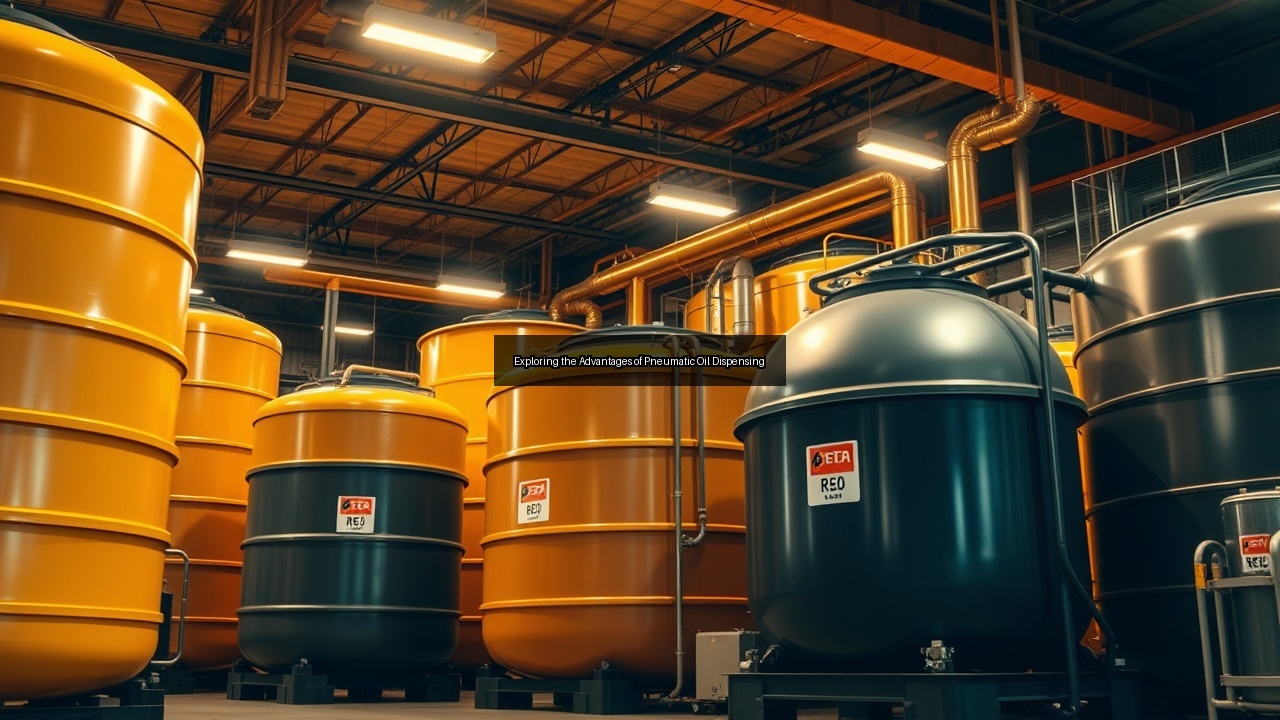
A typical pneumatic oil dispensing system consists of several critical components. The primary element is the air compressor, which generates the compressed air needed to power the system. Other essential components include tanks for bulk oil storage—often made from materials like polyethylene or steel—and dispensing units that feature hoses and nozzles for accurate delivery. Some systems incorporate filtration units to ensure the quality of the lubricant being dispensed. Additionally, regulators and gauges help monitor air pressure and flow rates, ensuring optimal performance throughout the dispensing process. Together, these components create a seamless and efficient oil dispensing solution.
How Pneumatic Systems Enhance Oil Dispensing Efficiency
Pneumatic systems significantly enhance oil dispensing efficiency compared to gravity feed or manual methods. The use of compressed air allows for a more controlled and rapid transfer of lubricants, which is crucial in high-demand environments. For example, operators can dispense oil from a 55-gallon drum or larger storage tanks without the physical strain associated with manual pumping. This efficiency not only saves time but also minimizes waste, as pneumatic systems can deliver precise amounts of lubricant. Furthermore, adherence to regulations set by organizations like OSHA and the EPA ensures that operations remain compliant while maximizing productivity.
Advantages of Bulk Oil Storage and Dispensing Systems
Cost-Effectiveness of Bulk Oil Systems
Investing in bulk oil storage and dispensing systems yields significant cost savings for businesses. Purchasing lubricants in bulk reduces per-gallon costs, allowing companies to manage their oil inventory more economically. Instead of frequently buying smaller containers, businesses can fill larger tanks, such as steel or polyethylene tanks, that hold substantial volumes. This bulk purchasing strategy not only decreases costs but also minimizes the environmental impact associated with packaging waste. Additionally, the efficiency of pneumatic dispensing systems reduces labor costs, as employees spend less time managing and dispensing oil, allowing them to focus on more critical tasks.
Environmental Compliance: EPA and OSHA Guidelines
Adhering to environmental regulations is vital in today’s industrial landscape. Bulk oil storage and dispensing systems help businesses comply with EPA and OSHA guidelines by minimizing spills and leaks. Properly designed storage tanks prevent contamination of soil and water sources, thus promoting environmental sustainability. Many pneumatic dispensing systems include features such as spill containment and monitoring systems that automatically shut off in case of a malfunction. By investing in these systems, companies demonstrate a commitment to environmental responsibility, which can enhance their reputation and attract eco-conscious customers.
Safety Features: Fire Safety and Waste Oil Management
Safety is paramount in any oil dispensing operation. Bulk oil storage and dispensing systems integrate safety features that mitigate risks associated with flammable materials. For instance, pneumatic systems often include explosion-proof components and fire-resistant tanks, reducing the likelihood of ignition. Additionally, effective waste oil management is crucial; these systems help capture and store waste oil safely, preventing environmental hazards. Regular maintenance of these systems ensures optimal performance and safety, allowing businesses to operate confidently while adhering to strict safety standards.
Types of Bulk Oil Storage Solutions
Polyethylene vs. Steel Tanks
Choosing the right tank material for bulk oil storage is crucial for safety and efficiency. Polyethylene tanks are lightweight, resistant to corrosion, and often less expensive than steel tanks. They are ideal for storing a variety of lubricants, as they do not react with the oils. Steel tanks, while heavier and generally more costly, offer greater durability and are often required for compliance with certain regulations. They can withstand harsher environmental conditions and are less susceptible to damage. Ultimately, the choice between polyethylene and steel depends on specific operational needs, budget constraints, and regulatory requirements.
Gravity Feed vs. Pneumatic Dispensing
Gravity feed systems rely on the force of gravity to dispense oil, making them simple and low-cost options for smaller operations. However, they lack the precision and speed of pneumatic systems. Pneumatic dispensing systems, powered by compressed air, allow for controlled and rapid delivery of lubricants, making them suitable for larger operations or those with high-volume requirements. While gravity feed systems may suffice for low-demand tasks, businesses focusing on efficiency and accuracy will benefit significantly from investing in pneumatic dispensing solutions.
Welded Tanks vs. Skid-Mounted Systems
Welded tanks provide a permanent solution for bulk oil storage, offering robust construction and a fixed location. They are ideal for facilities that require large storage capacities and can accommodate complex piping systems for pneumatic dispensing. In contrast, skid-mounted systems offer flexibility and mobility. These systems can be easily relocated as operational needs change, making them suitable for businesses that require versatility. Choosing between welded tanks and skid-mounted systems depends on the specific logistics and operational requirements of each facility.
Best Practices for Maintenance and Filtration
Regular Filtration for Quality Lubrication
Maintaining the quality of lubricants is vital for optimal machinery performance. Regular filtration is essential to remove contaminants that can compromise lubrication quality. Implementing a proactive filtration schedule helps ensure that the oil remains clean and effective, which extends the life of machinery and reduces downtime. Many pneumatic oil dispensing systems include built-in filtration units that automatically filter oil as it is dispensed, providing an added layer of protection. Consistent monitoring and maintenance of filtration systems enhance operational efficiency, ensuring that machinery receives the best possible lubrication.
Maintenance Tips for Storage Tanks
Regular maintenance of storage tanks is essential for safety and efficiency. Inspect tanks routinely for signs of corrosion, leaks, or damage, and promptly address any issues. Cleaning tanks periodically prevents the buildup of sludge and contaminants, which can impact oil quality. Additionally, maintain accurate inventory records to monitor oil levels and usage, helping to prevent overfilling and spills. Following recommended maintenance schedules and adhering to safety protocols will ensure that bulk oil storage and dispensing systems operate smoothly and reliably.
Ensuring Safety in Oil Dispensing Operations
Safety in oil dispensing operations begins with proper training for personnel. Employees must understand the equipment, safety protocols, and emergency procedures. Regular safety drills can reinforce these practices and help prevent accidents. Additionally, investing in personal protective equipment (PPE) like gloves and goggles is crucial for worker safety. Implementing robust safety measures, such as spill containment systems and automatic shut-off features in pneumatic dispensing systems, further enhances safety. Prioritizing safety not only protects employees but also safeguards the environment and the business's reputation.