Designing a Dedicated Outdoor Air System for Maximum Energy Efficiency
Understanding Dedicated Outdoor Air Systems (DOAS)
Principles of Dedicated Outdoor Air Systems
A dedicated outdoor air system (DOAS) operates on a straightforward principle: it provides a consistent supply of fresh outdoor air to indoor environments while effectively managing humidity and temperature. Unlike traditional HVAC systems that mix outdoor air with recirculated indoor air, DOAS systems focus exclusively on delivering pre-conditioned outdoor air. This approach enhances indoor air quality by reducing the concentration of pollutants, allergens, and carbon dioxide levels. The emphasis on outdoor air also aligns with modern building codes and standards, which increasingly prioritize fresh air ventilation for health and comfort.
Key Components of a DOAS
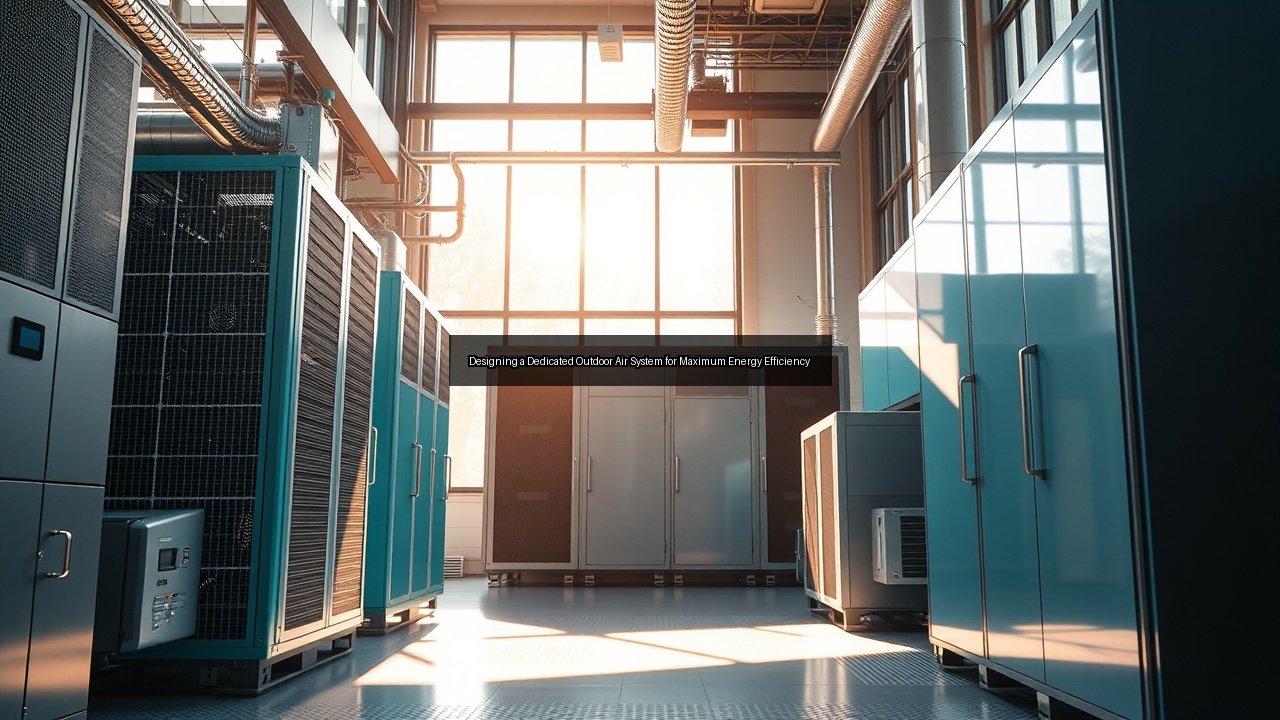
Several key components comprise a dedicated outdoor air system, each playing a vital role in energy efficiency and air quality management. The primary elements include an outdoor air intake, heat exchangers, filters, and fans. The outdoor air intake draws in fresh air, which then passes through filters to remove particulates and contaminants. Heat exchangers condition this air, either heating or cooling it to meet the desired indoor temperature. Fans distribute the treated air throughout the space. Additionally, advanced controls and sensors monitor air quality and system performance, ensuring optimal operation and energy savings.
How DOAS Improves Air Quality
Implementing a dedicated outdoor air system significantly improves indoor air quality. By continuously introducing filtered outdoor air, DOAS minimizes the buildup of indoor pollutants and maintains lower levels of carbon dioxide, which can lead to discomfort and health issues. Enhanced ventilation also reduces moisture buildup, preventing mold growth and improving occupant comfort. Moreover, the system can be calibrated to meet specific ventilation needs based on occupancy levels and activities within the space. This tailored approach ensures that air quality remains consistently high, further benefiting health and productivity in the environment.
Designing for Energy Efficiency
Calculating Energy Needs for Different Applications
Understanding energy needs is crucial when designing an efficient dedicated outdoor air system. Different applications, such as commercial spaces, server rooms, and industrial facilities, have varying requirements based on occupancy, activity levels, and equipment used. Engineers must conduct a thorough analysis, assessing factors like the size of the space, the number of occupants, and the type of activities taking place. This calculation ensures that the DOAS delivers the right amount of outdoor air without over-ventilating, which can lead to increased energy consumption. Accurate energy modeling helps balance performance and cost, paving the way for sustainable operations.
Integration with Existing HVAC Systems
Integrating a dedicated outdoor air system with existing HVAC systems enhances overall efficiency and performance. A well-designed integration plan allows the DOAS to work in tandem with traditional heating and cooling units. This could involve using the DOAS to pre-condition outdoor air before it enters the primary HVAC system, reducing the load on these systems. Effective integration also requires consideration of the existing ductwork and fan configurations to avoid introducing inefficiencies. A seamless interface between the systems promotes balanced airflow, consistent temperatures, and maximized energy savings, all while maintaining high air quality standards.
The Role of Calibration in Energy Efficiency
Calibration plays a pivotal role in achieving energy efficiency in a dedicated outdoor air system. Proper calibration ensures that the system operates optimally by adjusting airflow rates, temperature settings, and humidity levels to match specific requirements. Regular calibration checks can identify inefficiencies, such as incorrect sensor readings or mechanical issues, which could lead to excessive energy consumption. By fine-tuning the DOAS settings, operators can minimize operational costs while maximizing performance. Additionally, incorporating smart controls and sensors allows for real-time adjustments based on environmental conditions, further enhancing energy efficiency and reliability.
Applications and Industries Benefiting from DOAS
Commercial Spaces and Server Rooms
Dedicated outdoor air systems are particularly beneficial in commercial spaces and server rooms, where maintaining optimal air quality is essential. In commercial settings, such as offices and retail environments, DOAS enhances the comfort of occupants by providing a steady supply of fresh air. This not only improves productivity but also meets ventilation standards mandated by building codes. In server rooms, where equipment generates significant heat, a DOAS maintains cooler temperatures and prevents overheating. The system can manage humidity levels effectively, protecting sensitive electronic equipment from moisture damage and ensuring reliable operation.
Oil and Gas Industries: Specific Challenges
The oil and gas industries face unique challenges that make dedicated outdoor air systems particularly valuable. Workers in these environments often encounter hazardous conditions, including high levels of volatile organic compounds (VOCs) and other pollutants. A DOAS can help mitigate these risks by providing a continuous flow of filtered outdoor air, significantly improving air quality and worker safety. Moreover, the energy efficiency of DOAS can offset the high energy costs associated with oil and gas operations. By prioritizing ventilation and air quality, companies in this sector can enhance operational efficiency while adhering to strict environmental regulations.
Cost Considerations and Reliability in Implementation
Implementing a dedicated outdoor air system involves careful consideration of cost and reliability. Initial installation costs may vary based on the complexity of the system and the specific design requirements. However, the long-term benefits of energy savings and improved air quality often outweigh these upfront expenses. Reliable operation is crucial, particularly in environments that demand consistent air quality, such as hospitals or laboratories. Investing in high-quality components and regular maintenance can enhance system longevity while reducing downtime. Companies should conduct a thorough cost-benefit analysis to understand the financial implications and ensure that the DOAS meets their operational needs effectively.
Future Trends in Outdoor Air Systems
Impact of Ozone Regulations on Design Choices
Ozone regulations significantly influence the design choices for dedicated outdoor air systems. Stricter regulations on ozone-depleting substances and air quality standards necessitate the use of more efficient and environmentally friendly refrigerants. Designers must consider these regulations when selecting components and materials for DOAS installations. The focus on reducing ozone emissions aligns with broader sustainability goals, prompting innovations in system design. As regulatory landscapes evolve, companies will increasingly prioritize compliance while also seeking ways to improve energy efficiency and minimize environmental impacts in their operations.
Emerging Technologies in Air Conditioning Interfaces
Advancements in technology are transforming air conditioning interfaces, enhancing the functionality of dedicated outdoor air systems. Modern interfaces allow for seamless integration with building management systems, enabling real-time monitoring and control. New technologies like IoT sensors provide data analytics that inform system performance and energy usage. Additionally, these interfaces facilitate user-friendly controls, allowing operators to adjust settings based on occupancy and environmental conditions easily. As these technologies continue to evolve, DOAS will become even more efficient and responsive, ensuring optimal indoor air quality and energy savings for various applications.
Three Phase Systems for Enhanced Performance
Three-phase systems offer enhanced performance for dedicated outdoor air systems, particularly in larger commercial or industrial applications. These systems provide a balanced and stable power supply, improving the efficiency of fans and compressors. The three-phase configuration enables smoother operation, reducing energy consumption and operational costs. Additionally, three-phase systems tend to have lower maintenance requirements and increased reliability compared to single-phase systems. As businesses seek more efficient and effective ways to manage their air quality and energy usage, three-phase dedicated outdoor air systems will likely gain popularity across various industries.